
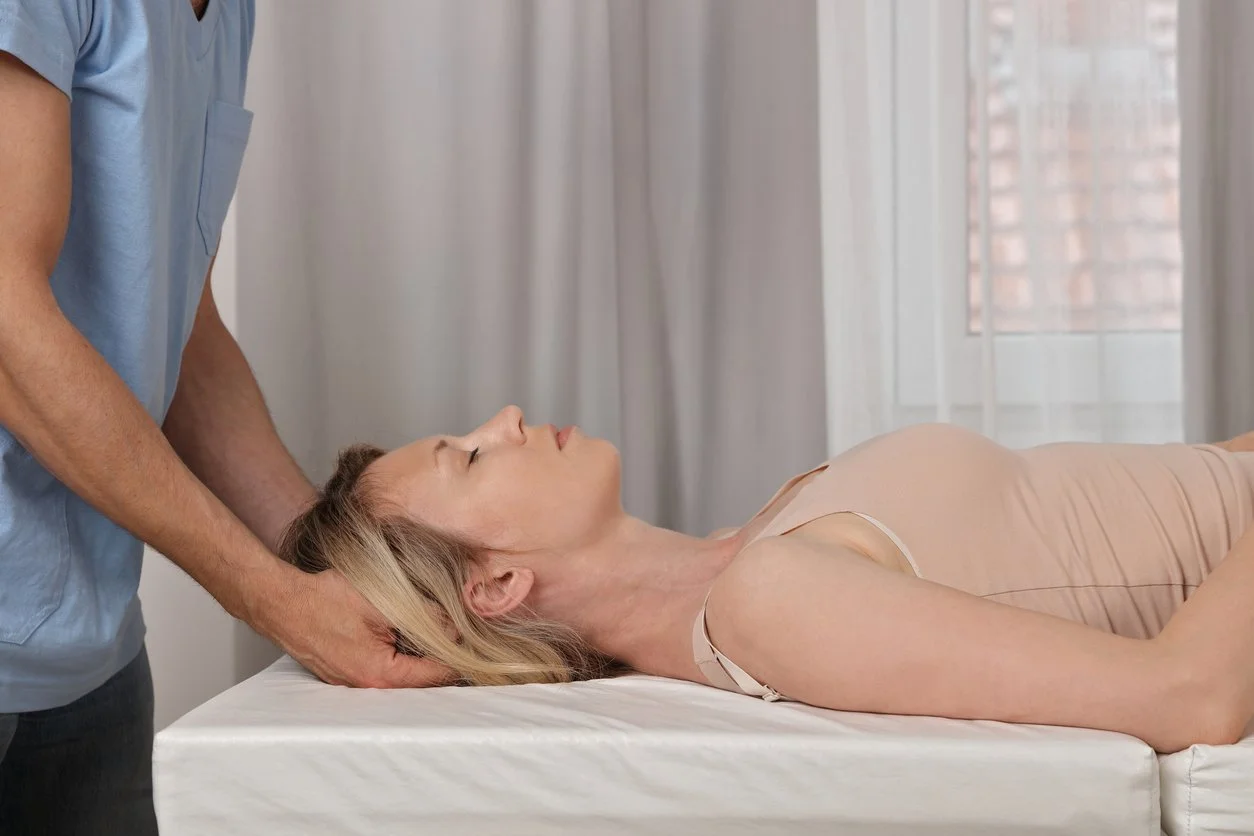
Somatic Experiencing Therapy in Washington, DC
Body-Oriented Trauma Healing for Lasting Nervous System Regulation
What Is Somatic Experiencing Therapy?
Somatic Experiencing (SE) is a gentle way to heal trauma. It focuses on the close connection between your mind and your body. This body-oriented therapy helps your nervous system find its natural balance.
Talk therapy focuses on words and stories. Somatic therapy works differently. It looks at physical sensations in your body. It helps you safely release stress energy that has been trapped inside your system.
How Trauma Stays in Your Body
When you go through a scary or highly stressful event, your body goes into survival mode. This is often called fight, flight, or freeze. Sometimes, your nervous system gets stuck in this survival state, even after the danger is long gone.
This trapped stress can show up in daily life as:
- Constant anxiety, worry, or feeling on edge
- Chronic muscle tension, stiffness, or physical discomfort
- Trouble sleeping, racing thoughts, or low energy
- Feeling emotionally numb or disconnected from your physical self
Somatic Experiencing helps your body complete its natural healing responses so you can finally feel calm and safe again.
How It Works: Small Steps to Healing
We do not rush your healing process. We work at a pace that feels completely safe for you. The focus stays on your current physical sensations, not on reliving painful memories.
Our work together uses four basic building blocks:
- Tracking: Learning to gently notice and describe feelings inside your body, like warmth, tightness, or breathing shifts.
- Resource Building: Finding spaces of calm, comfort, and strength within yourself to help you feel grounded.
- Titration: Working with only a tiny bit of stress or tension at one time so your system never gets overwhelmed.
- Pendulation: Helping your body move smoothly back and forth between a state of tension and a state of complete rest.
What to Expect in a Session
Somatic Experiencing sessions are peaceful and non-invasive. You sit comfortably, and we talk about what you are noticing in your body at the present moment. You might notice your breathing slow down, or your muscles loosen up.
Sometimes, your body will naturally discharge trapped stress. This might feel like gentle trembling, a sudden warm wave, or a deep sigh. These physical shifts are healthy signs that your nervous system is returning to balance.
Neurobiological Foundations of Somatic Experiencing
Somatic Experiencing is a short-term, biophysically grounded modality designed to resolve the chronic physiological symptoms of post-traumatic stress. Developed by Dr. Peter Levine, this approach interfaces directly with autonomic nervous system (ANS) architecture to restore self-regulation models.
When an individual encounters a threat, the brainstem and limbic systems trigger survival adaptations: sympathetic fight/flight acceleration or parasympathetic dorsal vagal immobilization. Trauma occurs when these survival behaviors are interrupted or suppressed, freezing high-voltage survival energy within the neuromuscular system.
The Physiology of Autonomic Dysregulation
Chronic dysregulation manifests as persistent physiological anomalies that standard talk therapies struggle to modulate. Without somatosensory discharge, the subcortical regions continue to signal immediate threat, resulting in:
- Chronic sympathetic hyperarousal (panic, hypervigilance, and cardiac acceleration)
- Dorsal vagal hypoarousal (depersonalization, systemic fatigue, and dissociation)
- Somatoform syndromes (myofascial pain, digestive dysfunction, and immune system distress)
By tracking interoceptive and proprioceptive sensory feedback, SE facilitates the resolution of these incomplete survival loops at a subcortical tier.
Mechanisms of Action: Titration and Interoceptive Drift
The clinical trajectory relies on highly disciplined somatic boundary management to prevent secondary traumatization or affective flooding.
The core therapeutic framework operates via specific functional dynamics:
- Micro-Titration: Isolating and processing minimal thresholds of autonomic activation. This granular approach ensures the patient's nervous system stays within its functional window of tolerance.
- Autonomic Pendulation: Managing the systemic movement between states of sympathetic contraction and parasympathetic expansion, rebuilding homeostatic elasticity.
- Somatic Discharge Identification: Verifying involuntary motor adjustments—such as localized tremors, vasodilation responses, and spontaneous deep breathing—as indicators of neuromuscular discharge.
Frequently Asked Questions
Do I have to talk about my trauma in detail during sessions?
No. Somatic Experiencing focuses on your present-moment body sensations rather than a detailed trauma narrative. You can process stress and heal effectively without retelling painful stories.
What if I don't feel anything in my body right now?
That is a very common adaptation to trauma. If the body felt unsafe, the nervous system turned down your physical awareness. Part of our work involves gently awakening your body sensations at a safe, gradual pace.
Is it normal to shake or tremble during a session?
Yes. Trembling, twitching, and sudden temperature shifts are natural physical discharge responses. These shifts indicate that your nervous system is successfully completing an old, interrupted survival loop.
Ready to Reconnect With Your Body’s Healing Wisdom?
Somatic Experiencing offers a gentle, structured path to autonomic regulation and lasting trauma recovery. You do not have to stay stuck in old survival loops.
Secure Telehealth across DC, MD, VA, NJ, and NY | Limited Downtown DC In-Person Availability